Stroke Recovery and Hyperbaric Oxygen Therapy:
What Patients Should Know
May is Stroke Awareness Month, making it an ideal time to discuss rehabilitation options patients may explore after a stroke. This article can explain how oxygen supports healing, what research is examining regarding HBOT and neurological recovery, and why some patients investigate it as part of a broader rehabilitation strategy.
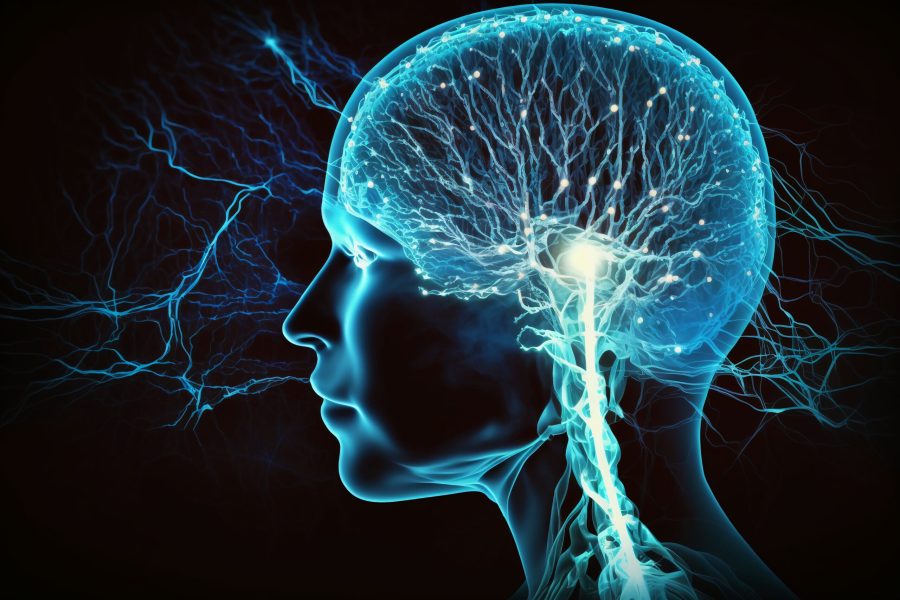
Recovering from a stroke often involves addressing much more than the initial event itself. Many patients face ongoing challenges related to mobility, cognition, speech, or fatigue, and rehabilitation often focuses on supporting the brain and body as they heal.
One important part of that healing process is oxygen.
The brain relies heavily on oxygen to function, and areas affected by reduced blood flow may face ongoing challenges during recovery. This is one reason Hyperbaric Oxygen Therapy (HBOT) has generated growing interest as a complementary therapy in stroke rehabilitation.
HBOT involves breathing concentrated oxygen in a pressurized environment, which allows oxygen to dissolve more efficiently into plasma and reach tissues throughout the body. Increased oxygen availability may support cellular repair, circulation, and healing processes.
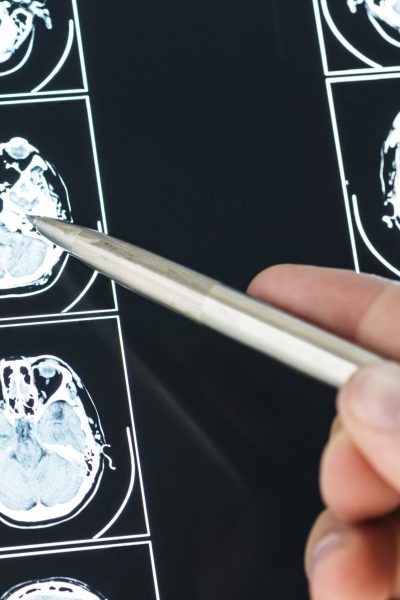
Some research has explored whether HBOT may help support:
- Neurological recovery
- Tissue repair
- Circulation support
- Rehabilitation outcomes
- Overall recovery potential
While HBOT is not a replacement for conventional stroke rehabilitation, some patients explore it as part of a broader recovery plan.
At Northern Nevada Hyperbarics, we believe patients deserve to understand all available options when discussing recovery support with their care team.
If you would like to learn whether HBOT may be appropriate for your circumstances, contact us to schedule a consultation.
View related content:
Need more information?
Have Questions?
Interested in learning whether Hyperbaric Oxygen Therapy may be right for you? Reach out to our team today.