
Beyond the Injury: Why Researchers Are Studying HBOT for Traumatic Brain Injury
A traumatic brain injury can happen in an instant.
A fall. A car accident. A sports injury. A blow to the head.
But for some people, the effects of that moment can last much longer.
Traumatic Brain Injury, or TBI, can range from mild concussion to severe injury, and recovery looks different for every person. Symptoms may involve headaches, changes in concentration or memory, dizziness, fatigue, sleep disturbances, and other physical or cognitive challenges.
That complexity has led researchers to ask an interesting question:
Could changing the amount of oxygen available to the body influence some of the biological processes involved after a brain injury?
That question is one reason Hyperbaric Oxygen Therapy (HBOT) continues to be studied in the field of TBI research.
First, What Happens During a TBI?
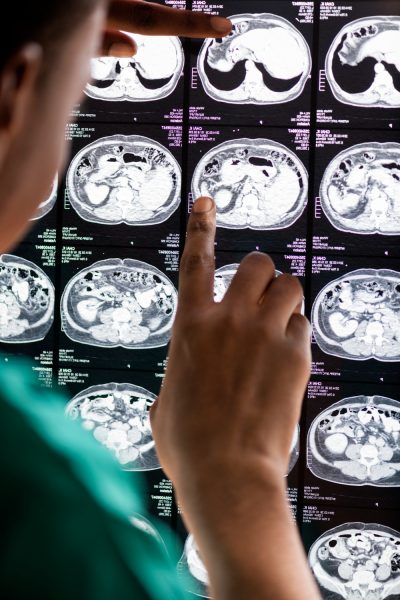
A traumatic brain injury or TBI occurs when an external force disrupts normal brain function. The initial injury is only part of the story.
After the trauma, a cascade of biological changes can occur within the brain. Depending on the injury, these may involve inflammation, altered blood flow, changes in cellular metabolism, and damage to brain tissue.
The brain is also an extraordinarily oxygen-hungry organ. Like every other tissue in the body, its cells rely on oxygen to produce energy and perform normal functions.
This connection between oxygen, circulation, cellular activity, and tissue recovery is part of what has made HBOT an area of scientific interest.
Each of these processes requires energy, and producing that energy requires oxygen.
In healthy tissue with good circulation, the bloodstream continually delivers oxygen to the area. But some wounds create a much more difficult healing environment.
Where Does HBOT Come In?
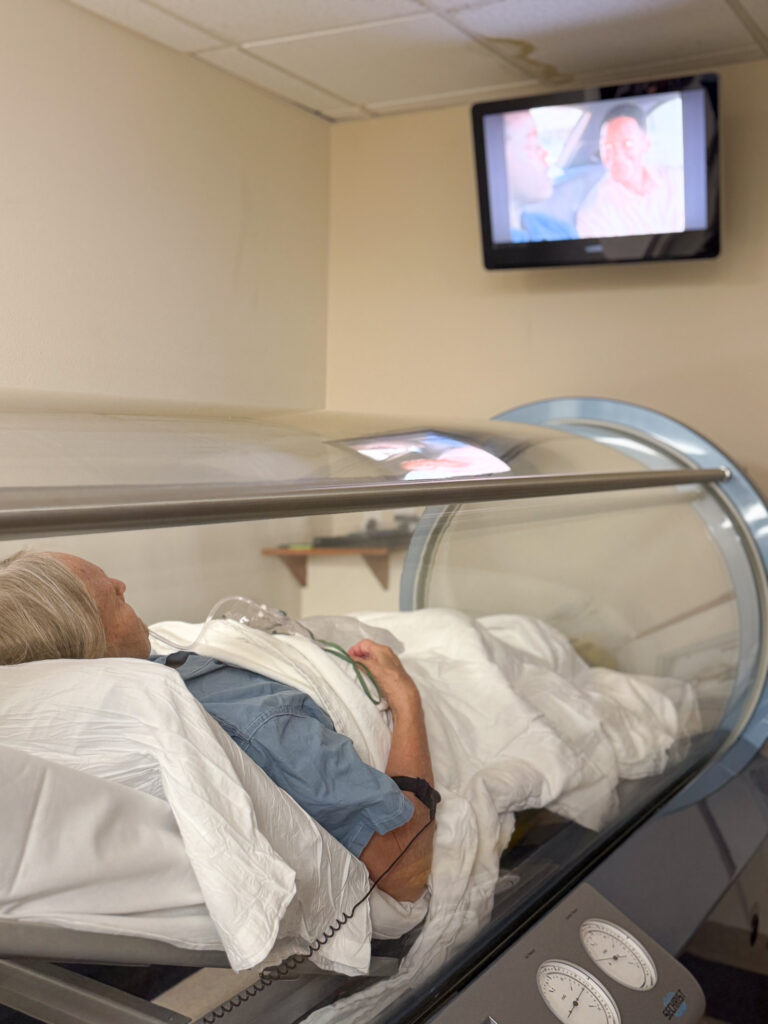
Hyperbaric Oxygen Therapy involves breathing oxygen inside a chamber where the atmospheric pressure is increased.
Under these conditions, more oxygen can dissolve into the blood plasma, increasing the amount of oxygen available to tissues throughout the body.
Researchers studying HBOT and TBI have investigated several areas, including neurological function, cognition, inflammation, blood-vessel formation, and other biological processes involved in brain recovery.
And this is where an important distinction needs to be made.
Promising Questions Aren't the Same as Proven Answers
Research into HBOT for traumatic brain injury has produced mixed results.
Some studies have reported improvements in certain neurological, cognitive, or physiological measures, while others have not demonstrated a clear benefit. Researchers have also pointed to differences between studies—including treatment protocols, patient populations, injury severity, and study design—that make the evidence difficult to compare.
For that reason, HBOT for TBI remains investigational rather than an established indication for Hyperbaric Oxygen Therapy.
That’s worth saying clearly.
It’s also what makes continued research interesting.
Science rarely advances because someone already knows the answer. It advances because there is a question worth investigating.
TBIs are Not One-Size-Fits-All
Neither is your recovery.
Two people can experience traumatic brain injuries under completely different circumstances and have very different symptoms, treatment needs, and recovery timelines.
Established TBI care may involve medical evaluation, physical or occupational rehabilitation, cognitive therapy, symptom management, and other individualized treatment depending on the injury.
HBOT should not replace established TBI care.
For individuals interested in investigational or adjunctive therapies, the conversation should begin with qualified medical professionals who understand both the individual’s injury and the current evidence.
Why We're Paying Attention
At Northern Nevada Hyperbarics, we believe education matters—especially when an area of medicine is still evolving.
HBOT has well-established uses for certain medical conditions, while other potential applications continue to be researched. Traumatic brain injury falls into that second category.
As researchers continue studying the relationship between increased oxygen availability and the injured brain, we’ll continue paying attention to what the evidence tells us.
Because when it comes to something as complex as the brain, good medicine starts with being willing to ask questions—and being equally willing to wait for good evidence before claiming we have the answers.
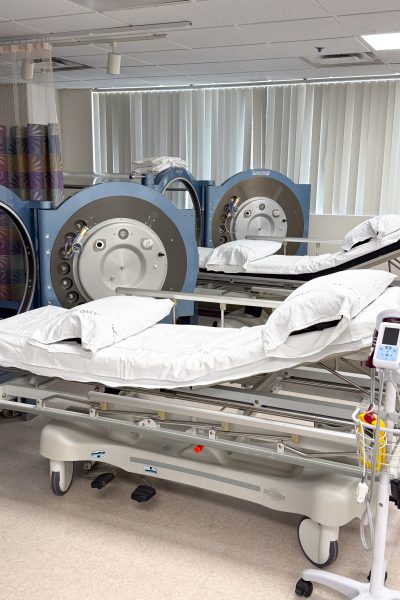
Have questions about Hyperbaric Oxygen Therapy? Contact Northern Nevada Hyperbarics to learn more about HBOT, its established medical uses, current research, and what treatment involves.
Call 775-826-2084 or visit northernnevadahyperbarics.com to learn more and schedule a consultation.
View related content:
Need more information?
Have Questions?
Interested in learning whether Hyperbaric Oxygen Therapy may be right for you? Reach out to our team today.

- Home
- About Us
- Conditions
- Testimonials
- Paperwork
- 1500 E. Second St., Ste. 104 Reno, NV 89502
- Phone: (775) 826-2084
- Fax: (775) 826-2087
- Mon – Fri: 7.30am - 5.00pm
Website Design: DIME
Copyright © Northern Nevada Hyperbarics 2026. All rights reserved.