
Why Oxygen Matters in Wound Healing
When we think about wound care, we often think about keeping an injury clean, protected, and properly dressed. But beneath the surface, the body is carrying out an incredibly complex repair process, and one of the most important resources it needs to do that work is oxygen.
From fighting infection to building new tissue, oxygen plays a critical role in nearly every stage of wound healing. When damaged tissue isn’t receiving enough of it, the healing process can slow or even stall.
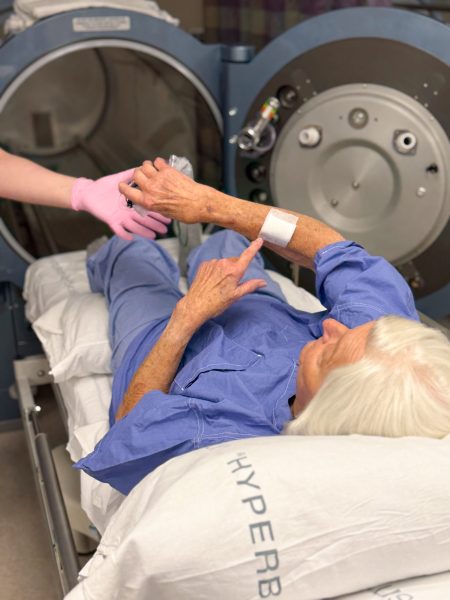
What Happens When Your Body Heals a Wound?
The moment an injury occurs, your body gets to work.
Blood begins to clot to protect the area. Immune cells arrive to help defend against infection. New tissue begins forming, collagen is produced, and new blood vessels develop to help restore circulation.
Each of these processes requires energy, and producing that energy requires oxygen.
In healthy tissue with good circulation, the bloodstream continually delivers oxygen to the area. But some wounds create a much more difficult healing environment.
Why Do Some Wounds Struggle to Heal?
A wound may have difficulty healing for many reasons, including poor circulation, diabetes, infection, radiation damage, repeated pressure, or significant tissue injury.
When blood flow to an injured area is compromised, oxygen delivery can also be reduced. Unfortunately, the tissue trying hardest to heal may be the tissue struggling most to get the resources it needs.
This can contribute to a cycle in which inadequate oxygen makes it more difficult for the body to repair tissue and fight infection, potentially prolonging the healing process.
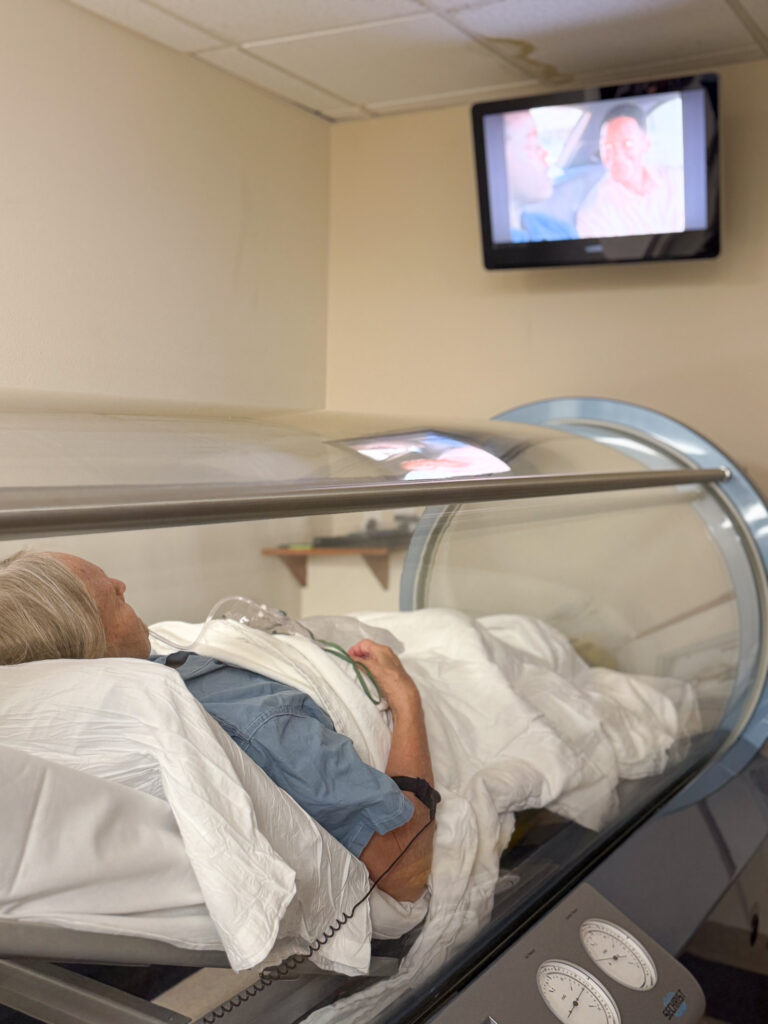
How Does Hyperbaric Oxygen Therapy Help?
Hyperbaric Oxygen Therapy, or HBOT, uses increased atmospheric pressure and oxygen to dramatically increase the amount of oxygen available in the body.
During treatment, patients breathe oxygen inside a pressurized hyperbaric chamber. Under pressure, more oxygen can dissolve into the blood plasma, allowing oxygen to be delivered to tissues beyond what is possible under normal atmospheric conditions.
For certain wounds, this increased oxygen availability can help create an environment that better supports the body’s natural repair processes.
Oxygen Does More Than You Might Think
When it comes to wound healing, oxygen isn’t simply along for the ride. It is involved in several important processes, including:
- Supporting collagen production and tissue repair
- Helping white blood cells fight certain infections
- Supporting the formation of new blood vessels
- Helping maintain healthy cellular function
- Supporting the body’s natural healing response
HBOT may also be used as part of a larger wound care plan alongside treatments such as wound cleaning, dressings, infection management, pressure relief, surgery, or other therapies recommended by a patient’s medical team.
What Types of Wounds May Be Treated With HBOT?
HBOT is an established medical treatment for certain qualifying conditions. In wound care, it may be recommended for specific cases such as certain diabetic lower-extremity wounds, radiation tissue damage, compromised skin grafts and flaps, and other approved conditions.
Not every slow-healing wound is an indication for HBOT, which is why proper evaluation is so important.
The goal isn’t simply to “give a wound more oxygen.” It’s to determine why healing has stalled and whether increasing oxygen delivery could be a beneficial part of the patient’s overall treatment plan.
When a Wound Isn't Healing, Pay Attention
A wound that refuses to heal isn’t something to ignore.
Changes in color, increased drainage, swelling, worsening pain, odor, fever, or other signs of infection should be evaluated by a healthcare professional. People with diabetes or circulation problems should be particularly attentive to wounds that aren’t improving as expected.
Early intervention can make a meaningful difference in preventing complications and establishing an appropriate wound care plan.
A wound that refuses to heal isn’t something to ignore.
Changes in color, increased drainage, swelling, worsening pain, odor, fever, or other signs of infection should be evaluated by a healthcare professional. People with diabetes or circulation problems should be particularly attentive to wounds that aren’t improving as expected.
Early intervention can make a meaningful difference in preventing complications and establishing an appropriate wound care plan.
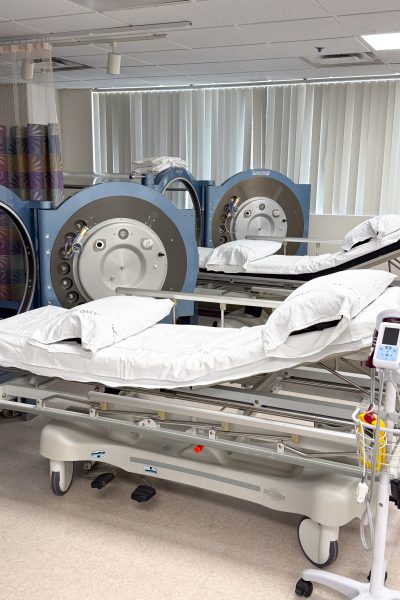
Supporting Healing From the Inside Out
The human body is remarkably good at repairing itself, but it needs the right resources to do so.
Sometimes, one of those resources is more oxygen.
At Northern Nevada Hyperbarics, we work with patients and referring providers to determine when Hyperbaric Oxygen Therapy may be an appropriate addition to a wound care plan.
Have questions About HBOT?
Whether you’re interested in recovery support, wellness, athletic performance, or simply learning more about Hyperbaric Oxygen Therapy, Northern Nevada Hyperbarics is here to help.
Call 775-826-2084 or visit northernnevadahyperbarics.com to learn more and schedule a consultation.
View related content:
Need more information?
Have Questions?
Interested in learning whether Hyperbaric Oxygen Therapy may be right for you? Reach out to our team today.

- Home
- About Us
- Conditions
- Testimonials
- Paperwork
- 1500 E. Second St., Ste. 104 Reno, NV 89502
- Phone: (775) 826-2084
- Fax: (775) 826-2087
- Mon – Fri: 7.30am - 5.00pm
Website Design: DIME
Copyright © Northern Nevada Hyperbarics 2026. All rights reserved.