Beyond the Injury: Why Researchers Are Studying HBOT for Traumatic Brain InjuryWhy Oxygen Matters in Wound Healing
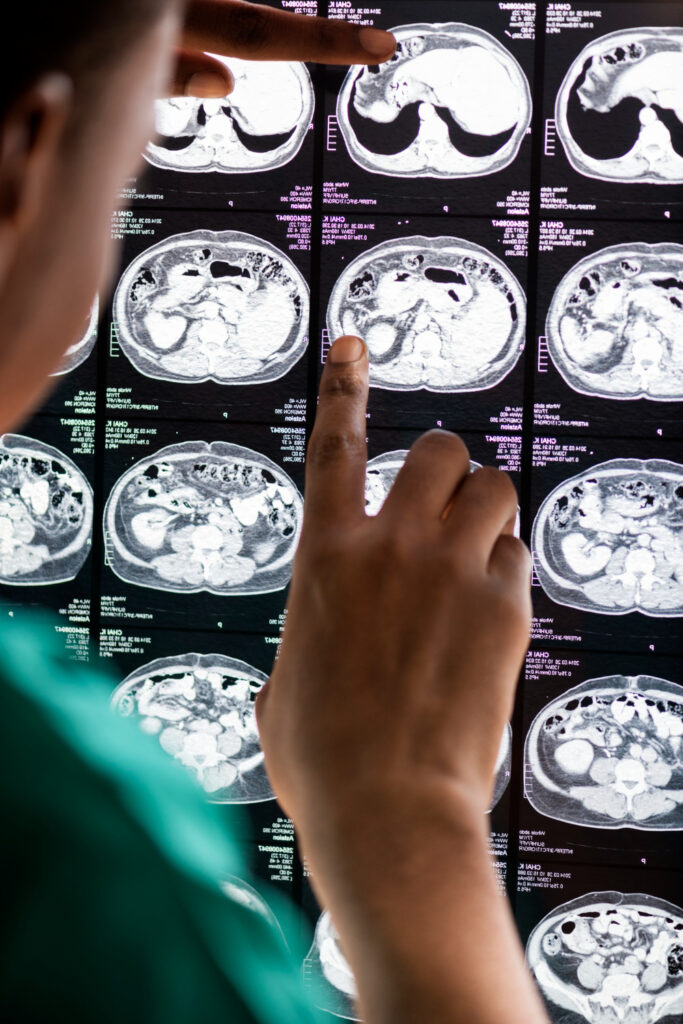
Menu HOME ABOUT CONDITIONS CONTACT TESTIMONIALS PAPERWORK BLOG (775) 826-2084 Beyond the Injury: Why Researchers Are Studying HBOT for Traumatic Brain Injury A traumatic brain injury can happen in an instant. A fall. A car accident. A sports injury. A blow to the head. But for some people, the effects of that moment can last much longer. Traumatic Brain Injury, or TBI, can range from mild concussion to severe injury, and recovery looks different for every person. Symptoms may involve headaches, changes in concentration or memory, dizziness, fatigue, sleep disturbances, and other physical or cognitive challenges. That complexity has led researchers to ask an interesting question: Could changing the amount of oxygen available to the body influence some of the biological processes involved after a brain injury? That question is one reason Hyperbaric Oxygen Therapy (HBOT) continues to be studied in the field of TBI research. First, What Happens During a TBI? A traumatic brain injury or TBI occurs when an external force disrupts normal brain function. The initial injury is only part of the story. After the trauma, a cascade of biological changes can occur within the brain. Depending on the injury, these may involve inflammation, altered blood flow, changes in cellular metabolism, and damage to brain tissue. The brain is also an extraordinarily oxygen-hungry organ. Like every other tissue in the body, its cells rely on oxygen to produce energy and perform normal functions. This connection between oxygen, circulation, cellular activity, and tissue recovery is part of what has made HBOT an area of scientific interest. Each of these processes requires energy, and producing that energy requires oxygen. In healthy tissue with good circulation, the bloodstream continually delivers oxygen to the area. But some wounds create a much more difficult healing environment. Where Does HBOT Come In? Hyperbaric Oxygen Therapy involves breathing oxygen inside a chamber where the atmospheric pressure is increased. Under these conditions, more oxygen can dissolve into the blood plasma, increasing the amount of oxygen available to tissues throughout the body. Researchers studying HBOT and TBI have investigated several areas, including neurological function, cognition, inflammation, blood-vessel formation, and other biological processes involved in brain recovery. And this is where an important distinction needs to be made. Promising Questions Aren’t the Same as Proven Answers Research into HBOT for traumatic brain injury has produced mixed results. Some studies have reported improvements in certain neurological, cognitive, or physiological measures, while others have not demonstrated a clear benefit. Researchers have also pointed to differences between studies—including treatment protocols, patient populations, injury severity, and study design—that make the evidence difficult to compare. For that reason, HBOT for TBI remains investigational rather than an established indication for Hyperbaric Oxygen Therapy. That’s worth saying clearly. It’s also what makes continued research interesting. Science rarely advances because someone already knows the answer. It advances because there is a question worth investigating. TBIs are Not One-Size-Fits-All Neither is your recovery. Two people can experience traumatic brain injuries under completely different circumstances and have very different symptoms, treatment needs, and recovery timelines. Established TBI care may involve medical evaluation, physical or occupational rehabilitation, cognitive therapy, symptom management, and other individualized treatment depending on the injury. HBOT should not replace established TBI care. For individuals interested in investigational or adjunctive therapies, the conversation should begin with qualified medical professionals who understand both the individual’s injury and the current evidence. Why We’re Paying Attention At Northern Nevada Hyperbarics, we believe education matters—especially when an area of medicine is still evolving. HBOT has well-established uses for certain medical conditions, while other potential applications continue to be researched. Traumatic brain injury falls into that second category. As researchers continue studying the relationship between increased oxygen availability and the injured brain, we’ll continue paying attention to what the evidence tells us. Because when it comes to something as complex as the brain, good medicine starts with being willing to ask questions—and being equally willing to wait for good evidence before claiming we have the answers. Have questions about Hyperbaric Oxygen Therapy? Contact Northern Nevada Hyperbarics to learn more about HBOT, its established medical uses, current research, and what treatment involves. Call 775-826-2084 or visit northernnevadahyperbarics.com to learn more and schedule a consultation. View related content: Conditions Treated Need more information? Contact US Back to Blog Tags: Have Questions? Interested in learning whether Hyperbaric Oxygen Therapy may be right for you? Reach out to our team today. Contact Us The information provided on this website is for general informational purposes only and is not intended as medical advice. Facebook Instagram Menu Home About Us Conditions Testimonials Paperwork Resources International ATMO Divers Alert Network NAWDC ABQAURP ABWH Quick Contact 1500 E. Second St., Ste. 104 Reno, NV 89502 Phone: (775) 826-2084 Fax: (775) 826-2087 Mon – Fri: 7.30am – 5.00pm Website Design: DIME Copyright © Northern Nevada Hyperbarics 2026. All rights reserved.
Why Oxygen Matters in Wound Healing
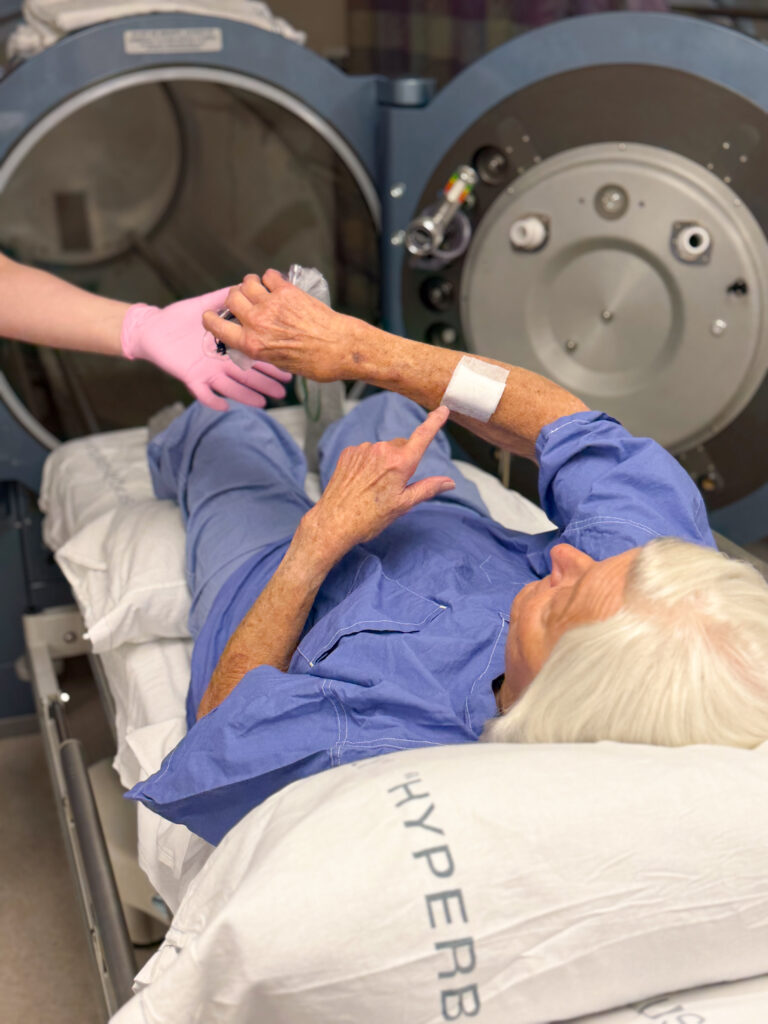
Menu HOME ABOUT CONDITIONS CONTACT TESTIMONIALS PAPERWORK BLOG (775) 826-2084 Why Oxygen Matters in Wound Healing When we think about wound care, we often think about keeping an injury clean, protected, and properly dressed. But beneath the surface, the body is carrying out an incredibly complex repair process, and one of the most important resources it needs to do that work is oxygen. From fighting infection to building new tissue, oxygen plays a critical role in nearly every stage of wound healing. When damaged tissue isn’t receiving enough of it, the healing process can slow or even stall. What Happens When Your Body Heals a Wound? The moment an injury occurs, your body gets to work. Blood begins to clot to protect the area. Immune cells arrive to help defend against infection. New tissue begins forming, collagen is produced, and new blood vessels develop to help restore circulation. Each of these processes requires energy, and producing that energy requires oxygen. In healthy tissue with good circulation, the bloodstream continually delivers oxygen to the area. But some wounds create a much more difficult healing environment. Why Do Some Wounds Struggle to Heal? A wound may have difficulty healing for many reasons, including poor circulation, diabetes, infection, radiation damage, repeated pressure, or significant tissue injury. When blood flow to an injured area is compromised, oxygen delivery can also be reduced. Unfortunately, the tissue trying hardest to heal may be the tissue struggling most to get the resources it needs. This can contribute to a cycle in which inadequate oxygen makes it more difficult for the body to repair tissue and fight infection, potentially prolonging the healing process. How Does Hyperbaric Oxygen Therapy Help? Hyperbaric Oxygen Therapy, or HBOT, uses increased atmospheric pressure and oxygen to dramatically increase the amount of oxygen available in the body. During treatment, patients breathe oxygen inside a pressurized hyperbaric chamber. Under pressure, more oxygen can dissolve into the blood plasma, allowing oxygen to be delivered to tissues beyond what is possible under normal atmospheric conditions. For certain wounds, this increased oxygen availability can help create an environment that better supports the body’s natural repair processes. Oxygen Does More Than You Might Think When it comes to wound healing, oxygen isn’t simply along for the ride. It is involved in several important processes, including: Supporting collagen production and tissue repair Helping white blood cells fight certain infections Supporting the formation of new blood vessels Helping maintain healthy cellular function Supporting the body’s natural healing response HBOT may also be used as part of a larger wound care plan alongside treatments such as wound cleaning, dressings, infection management, pressure relief, surgery, or other therapies recommended by a patient’s medical team. What Types of Wounds May Be Treated With HBOT? HBOT is an established medical treatment for certain qualifying conditions. In wound care, it may be recommended for specific cases such as certain diabetic lower-extremity wounds, radiation tissue damage, compromised skin grafts and flaps, and other approved conditions. Not every slow-healing wound is an indication for HBOT, which is why proper evaluation is so important. The goal isn’t simply to “give a wound more oxygen.” It’s to determine why healing has stalled and whether increasing oxygen delivery could be a beneficial part of the patient’s overall treatment plan. When a Wound Isn’t Healing, Pay Attention A wound that refuses to heal isn’t something to ignore. Changes in color, increased drainage, swelling, worsening pain, odor, fever, or other signs of infection should be evaluated by a healthcare professional. People with diabetes or circulation problems should be particularly attentive to wounds that aren’t improving as expected. Early intervention can make a meaningful difference in preventing complications and establishing an appropriate wound care plan. A wound that refuses to heal isn’t something to ignore. Changes in color, increased drainage, swelling, worsening pain, odor, fever, or other signs of infection should be evaluated by a healthcare professional. People with diabetes or circulation problems should be particularly attentive to wounds that aren’t improving as expected. Early intervention can make a meaningful difference in preventing complications and establishing an appropriate wound care plan. Supporting Healing From the Inside Out The human body is remarkably good at repairing itself, but it needs the right resources to do so. Sometimes, one of those resources is more oxygen. At Northern Nevada Hyperbarics, we work with patients and referring providers to determine when Hyperbaric Oxygen Therapy may be an appropriate addition to a wound care plan. Have questions About HBOT? Whether you’re interested in recovery support, wellness, athletic performance, or simply learning more about Hyperbaric Oxygen Therapy, Northern Nevada Hyperbarics is here to help. Call 775-826-2084 or visit northernnevadahyperbarics.com to learn more and schedule a consultation. View related content: Conditions Treated Need more information? Contact US Back to Blog Tags: Have Questions? Interested in learning whether Hyperbaric Oxygen Therapy may be right for you? Reach out to our team today. Contact Us The information provided on this website is for general informational purposes only and is not intended as medical advice. Facebook Instagram Menu Home About Us Conditions Testimonials Paperwork Resources International ATMO Divers Alert Network NAWDC ABQAURP ABWH Quick Contact 1500 E. Second St., Ste. 104 Reno, NV 89502 Phone: (775) 826-2084 Fax: (775) 826-2087 Mon – Fri: 7.30am – 5.00pm Website Design: DIME Copyright © Northern Nevada Hyperbarics 2026. All rights reserved.
Can Hyperbaric Oxygen Therapy Support Stroke Recovery?
Menu HOME ABOUT CONDITIONS CONTACT TESTIMONIALS PAPERWORK BLOG (775) 826-2084 Can Hyperbaric Oxygen Therapy Support Stroke Recovery? Recovering from a stroke often involves much more than recovering from the initial event itself. Many stroke survivors experience ongoing challenges with mobility, cognition, speech, fatigue, and other functions, making rehabilitation an important part of the recovery process. One element that plays an essential role throughout the body, including the brain, is oxygen. The Brain’s Relationship With Oxygen The brain has an enormous demand for oxygen. During a stroke, blood flow to part of the brain is interrupted or reduced, depriving affected tissue of the oxygen and nutrients it needs. After the immediate medical emergency has passed, rehabilitation may continue for weeks, months, or even years as patients work to regain function and adapt to changes. This has also led researchers to investigate therapies that may support the body’s recovery processes, including Hyperbaric Oxygen Therapy (HBOT). What Is Hyperbaric Oxygen Therapy? During HBOT, a patient breathes oxygen while resting inside a specially designed chamber where the atmospheric pressure is increased. Under these conditions, additional oxygen can dissolve into the blood plasma and circulate throughout the body. This increased oxygen availability is one of the reasons HBOT has been studied in connection with tissue repair, circulation, inflammation, and neurological recovery. What Does the Research Say About HBOT and Stroke Recovery? Researchers have explored the potential role of HBOT in stroke rehabilitation, particularly for individuals experiencing longer-term effects after a stroke. Studies have investigated areas such as neurological function, cognitive performance, quality of life, and the brain’s ability to adapt and reorganize following injury. Research in this area is ongoing, however, and HBOT should not be considered a replacement for established stroke treatments or rehabilitation programs. Instead, some patients and their healthcare providers may explore HBOT as a complementary part of a broader recovery plan. Every Stroke Recovery Journey Is Different There is no universal timeline for stroke recovery. A person’s experience can depend on the location and severity of the stroke, overall health, how quickly treatment was received, and many other factors. Rehabilitation may involve physical therapy, occupational therapy, speech therapy, medications, lifestyle changes, and other forms of medical support. For patients interested in HBOT, an individualized evaluation is important to determine whether treatment may be appropriate for their specific circumstances. Exploring Your Recovery Options Stroke recovery can be a long journey, and understanding the options available to you can help you have more informed conversations with your healthcare team. At Northern Nevada Hyperbarics, we’re here to answer questions about Hyperbaric Oxygen Therapy, explain what treatment involves, and help patients determine whether HBOT may have a place in their broader recovery plan. Have questions About HBOT? Whether you’re interested in recovery support, wellness, athletic performance, or simply learning more about Hyperbaric Oxygen Therapy, Northern Nevada Hyperbarics is here to help. Call 775-826-2084 or visit northernnevadahyperbarics.com to learn more and schedule a consultation. View related content: Conditions Treated Need more information? Contact US Back to Blog Tags: Have Questions? Interested in learning whether Hyperbaric Oxygen Therapy may be right for you? Reach out to our team today. Contact Us The information provided on this website is for general informational purposes only and is not intended as medical advice. Facebook Instagram Menu Home About Us Conditions Testimonials Paperwork Resources International ATMO Divers Alert Network NAWDC ABQAURP ABWH Quick Contact 1500 E. Second St., Ste. 104 Reno, NV 89502 Phone: (775) 826-2084 Fax: (775) 826-2087 Mon – Fri: 7.30am – 5.00pm Website Design: DIME Copyright © Northern Nevada Hyperbarics 2026. All rights reserved.
Is Hyperbaric Oxygen Therapy Really Like a Pressurized Spa Pod? Separating HBOT Fact from Fiction
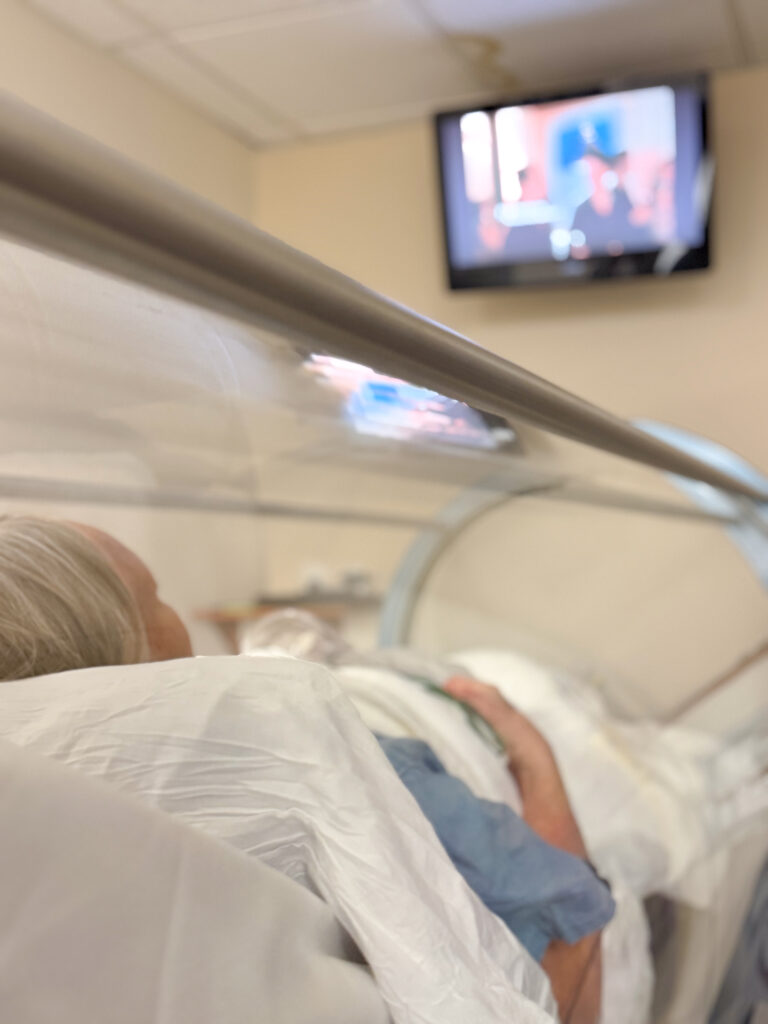
Is Hyperbaric Oxygen Therapy Really Like a Pressurized Spa Pod? Separating HBOT Fact from Fiction If you’ve never experienced Hyperbaric Oxygen Therapy (HBOT), chances are you’ve imagined something wildly inaccurate. Maybe you’ve seen a movie scene with a giant submarine-like chamber. Maybe someone told you it’s like sitting in a futuristic spaceship. Or perhaps you’ve heard people describe it as a “pressurized spa pod.” While we can appreciate the creativity, the reality is much simpler—and much more interesting. Let’s separate some common myths from the facts. Myth #1: “You’re Locked Inside a Tiny Tube” One of the most common misconceptions about HBOT is that patients are sealed inside a cramped chamber with no communication or supervision. In reality, HBOT is administered in a controlled clinical environment under the supervision of trained professionals. Throughout your session, our team remains available to answer questions and monitor your comfort. Many patients are surprised by how relaxing the experience feels once they settle in. Myth #2: “It Must Feel Like Deep-Sea Diving” Not exactly. The sensation most people notice is similar to what happens when an airplane changes altitude. As pressure gradually increases, you may feel fullness in your ears and be guided through simple techniques to equalize the pressure. Once that adjustment period passes, most patients simply relax, listen to music, watch entertainment, or even nap. Myth #3: “It’s Only for Divers” Hyperbaric Oxygen Therapy did gain early recognition for treating decompression sickness in divers, but today it’s used for a variety of medical applications. HBOT is commonly discussed in relation to: Certain non-healing wounds Radiation-related tissue injury Carbon monoxide poisoning Compromised grafts and flaps Select neurological and recovery-support discussions Many people are surprised to learn how broad the conversation around oxygen therapy has become. Myth #4: “You’re Breathing Some Kind of Special Gas” I mean… we think it’s pretty special! Actually, it’s oxygen. The difference is that the oxygen is delivered in a pressurized environment. That pressure allows more oxygen to dissolve into the bloodstream, helping it reach tissues throughout the body more efficiently than under normal atmospheric conditions. It’s the combination of pressure and oxygen that makes HBOT unique. Myth #5: “You Feel Like a Superhero Afterwards” We wish we could promise superpowers. The reality is that every patient responds differently. Some people report feeling energized. Others feel relaxed. Some notice changes gradually over time as part of a broader treatment plan. HBOT isn’t magic—it’s a medical therapy that works by supporting natural physiological processes. So What Is HBOT Really Like? For most patients, the answer is surprisingly simple: You relax in a comfortable environment while breathing oxygen under pressure. No submarine training required. No scuba certification necessary. And unfortunately, no ability to communicate with dolphins afterward. Learn More About HBOT Whether you’re exploring Hyperbaric Oxygen Therapy for recovery support, wound healing, wellness, or simply because you’re curious about what happens inside a hyperbaric chamber, our team is here to answer your questions. Contact Northern Nevada Hyperbarics at 775-826-2084 or visit northernnevadahyperbarics.com to learn more about Hyperbaric Oxygen Therapy and schedule a consultation. View related content: Conditions Treated Need more information? Contact US Back to Blog Tags: Have Questions? Interested in learning whether Hyperbaric Oxygen Therapy may be right for you? Reach out to our team today. Contact Us The best place to check your health Be the first one to know about discounts, offers and events Subscribe The information provided on this website is for general informational purposes only and is not intended as medical advice. Facebook Instagram Menu Home About Us Conditions Testimonials Paperwork Resources International ATMO Divers Alert Network NAWDC ABQAURP ABWH Quick Contact 1500 E. Second St., Ste. 104 Reno, NV 89502 Phone: (775) 826-2084 Fax: (775) 826-2087 Mon – Fri: 7.30am – 5.00pm Website Design: DIME Copyright © Northern Nevada Hyperbarics 2026. All rights reserved.
Why Oxygen Matters in Wound Healing
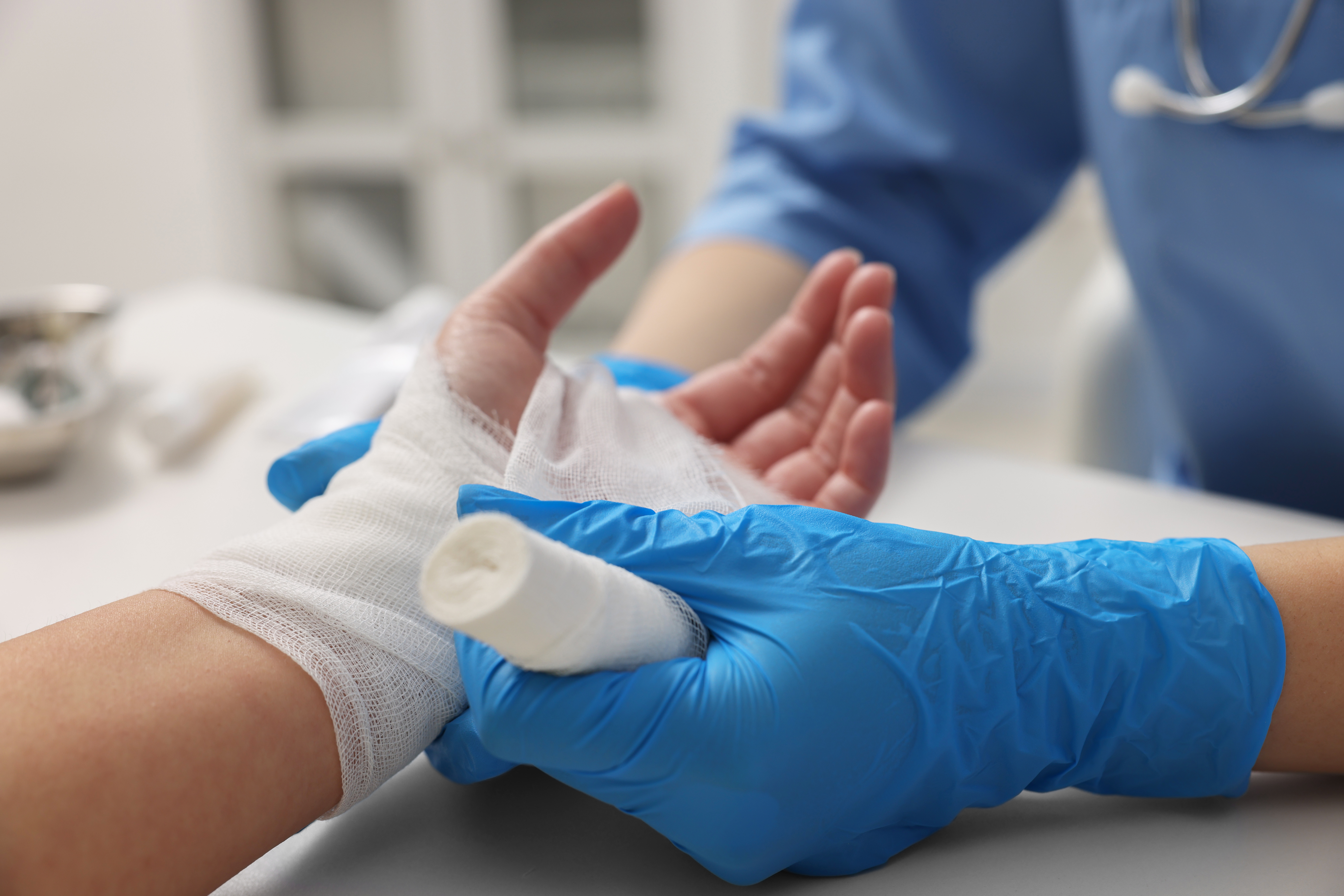
Why Oxygen Matters in Wound Healing When wounds do not heal properly, oxygen is often part of the reason. Healthy tissue repair depends on oxygen to support collagen production, infection defense, circulation, and cellular regeneration. When blood flow is compromised—or tissue oxygen levels are low—healing may slow significantly. This is where Hyperbaric Oxygen Therapy may play a role. HBOT increases the amount of oxygen carried through the bloodstream, allowing oxygen to reach tissues that may otherwise be deprived. This may help support the body’s natural healing mechanisms. HBOT is often discussed in relation to: Non-healing wounds Diabetic ulcers Radiation-related tissue injury Compromised grafts or flaps Chronic wound recovery In some cases, improving oxygen delivery may help support tissue viability and recovery when healing has stalled. Because wound complications can become serious quickly, early evaluation matters. If you have concerns about a slow-healing wound, Northern Nevada Hyperbarics can help you explore whether HBOT may be appropriate. View related content: Conditions Treated Need more information? Contact US Back to Blog Tags: Have Questions? Interested in learning whether Hyperbaric Oxygen Therapy may be right for you? Reach out to our team today. Contact Us The best place to check your health Be the first one to know about discounts, offers and events Subscribe
Stroke Recovery and Hyperbaric Oxygen Therapy: What Patients Should Know

Stroke Recovery and Hyperbaric Oxygen Therapy: What Patients Should Know May is Stroke Awareness Month, making it an ideal time to discuss rehabilitation options patients may explore after a stroke. This article can explain how oxygen supports healing, what research is examining regarding HBOT and neurological recovery, and why some patients investigate it as part of a broader rehabilitation strategy. Recovering from a stroke often involves addressing much more than the initial event itself. Many patients face ongoing challenges related to mobility, cognition, speech, or fatigue, and rehabilitation often focuses on supporting the brain and body as they heal. One important part of that healing process is oxygen. The brain relies heavily on oxygen to function, and areas affected by reduced blood flow may face ongoing challenges during recovery. This is one reason Hyperbaric Oxygen Therapy (HBOT) has generated growing interest as a complementary therapy in stroke rehabilitation. HBOT involves breathing concentrated oxygen in a pressurized environment, which allows oxygen to dissolve more efficiently into plasma and reach tissues throughout the body. Increased oxygen availability may support cellular repair, circulation, and healing processes. Some research has explored whether HBOT may help support: Neurological recovery Tissue repair Circulation support Rehabilitation outcomes Overall recovery potential While HBOT is not a replacement for conventional stroke rehabilitation, some patients explore it as part of a broader recovery plan. At Northern Nevada Hyperbarics, we believe patients deserve to understand all available options when discussing recovery support with their care team. If you would like to learn whether HBOT may be appropriate for your circumstances, contact us to schedule a consultation. View related content: Conditions Treated Need more information? Contact US Back to Blog Tags: Share This: Have Questions? Interested in learning whether Hyperbaric Oxygen Therapy may be right for you? Reach out to our team today. Contact Us The best place to check your health Be the first one to know about discounts, offers and events Subscribe